
Thermoforming is widely recognized as a highly proficient manufacturing method that offers numerous advantages over alternative techniques. However, success in this industry depends as much on proper execution as it does on perfected design. Even minor missteps in either area can lead to subpar parts.
To empower enthusiasts and support professionals in this field, I’ve joined forces with GPI’s management team to write this month’s blog. We’ll be covering how to avoid common mistakes in thermoforming and share practical insights to help you achieve top-notch results.
1. Selecting the Wrong Type of Plastic

One of the fundamental pitfalls in the industry often occurs long before production even begins: choosing the incorrect material. Suppliers offer a wide range of plastics to manufacturers including Polystyrene, Polyethylene, Polyvinyl Chloride (PVC), High-Density Polyethylene (HDPE), Acrylonitrile Butadiene Styrene (ABS), Acrylic, and Polyethylene Terephthalate Glycol (PETG), to name a few.
Each type of plastic has distinct properties, such as transparency, rigidity, impact resistance, and heat tolerance. These characteristics are vital for meeting the specifications of the part’s intended specifications and should steer the selection of material.
For example, PVC may not be suitable for objects requiring strong resilience due to its lower tolerance for stress. Instead, ABS could be a better option because it offers greater toughness and is less likely to bend or twist when force is applied. Engineers are encouraged to consult material performance sheets and review data on how materials will respond under different conditions.
2. Misjudging the Material Thickness

The thickness, or gauge, of the plastic sheet plays a pivotal role in the outcome of a job. If the material is too thin, it may not withstand the rigors of the forming stage. Conversely, if the material is too thick, it won’t fully conform to the mold’s contours and will begin to web and crack.
Running advanced simulations that mimic the physical and environmental stresses the material will be subjected to can be very useful in determining the best possible thickness. Additionally, reviewing historical records from similar jobs can offer a benchmark for what has worked well in the past and what might be expected with today’s technologies.
3. Overlooking a Flawed Design

The mold’s design is another area where cutting corners can have serious repercussions. Failing to account for the intricacies of its shape can lead to poor aesthetics, air pockets, and other functional defects.
To sidestep these problems, the mold has to be crafted with the right draft angles and the right landing size to support the structure. Sufficient release mechanisms also need to be incorporated into the tool so it isn’t damaged or weakened when the part is extracted.
Some of the key decisions engineers face regarding molds include:
- Choosing between a male or female tool.
- Considering the benefits of a water-cooled system.
- Determining whether a mold with a deep cavity requires a plug assist.
- Deciding between an aluminum and wooden tool.
- Discerning if the product can accommodate a logo impression.
- Assessing the feasibility of a 3-D printed design.
4. Improper Heating

During the heating process, a solid piece of thermoplastic becomes malleable and begins to exhibit what is known as a ‘sag’. To attain precise shaping, the heat must be distributed evenly across the sheet.
Inadequate heating methods can cause material thinning, tearing, and inconsistent stretching. These shortcomings can be mitigated by calibrating a machine’s oven to the exact temperature needed for the specific type of plastic.
Using infrared thermometers or thermal imaging is a great way to control the temperature and monitor the allocation of heat. In fact, top vacuum formers like GPI invest in state-of-the-art machinery equipped with dual and multi-zone heaters that allow for customized heating.
5. Substandard Cooling
Consistent cooling is just as important as consistent heating. The cooling time should be adjusted according to the complexity of the mold and its thickness so that the part will solidify and retain its planned dimensions.
Rapid or uneven cooling can introduce stresses and irregularities in the finished object that often manifest as warping and shrinkage. These unsightly issues can be prevented through steady, controlled heating.
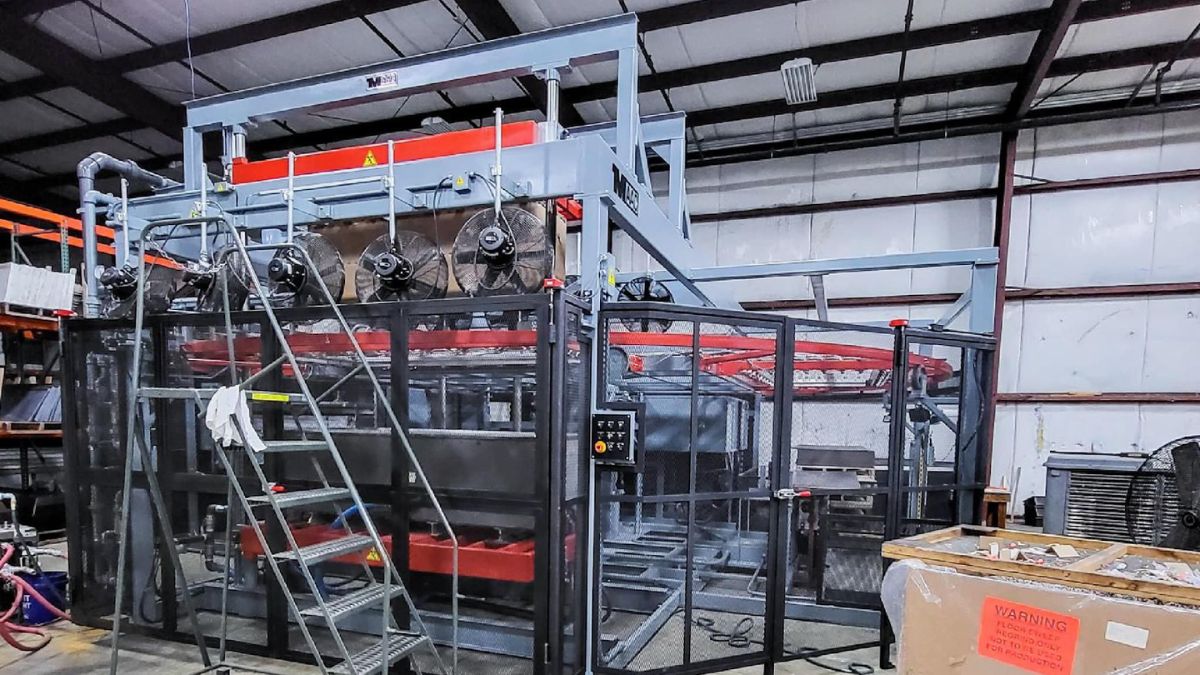
In large volume production settings, this stage is sometimes expedited using water-cooled molds that facilitate uniform temperature reduction. Activating integrated fans in certain types of equipment can also accelerate cooling by circulating air at a faster rate.
6. Poor Equipment Maintenance

There’s no way to sugarcoat the fact that neglecting equipment maintenance can lead to long periods of downtime and costly emergency repairs. Adopting a proactive approach to maintenance is crucial not only for avoiding delays but also for reducing cycle times and extending the lifespan of equipment.
Thermoforming machines operate with an internal computer programmed for maximum efficiency and precision, accurate down to the centimeter, leaving little to no room for error.
Because of this, they need daily attention to run smoothly, which involves clearing water lines, performing routine oil changes, adjusting oven settings, and maintaining correct frame alignments.
7. Lax Quality Control
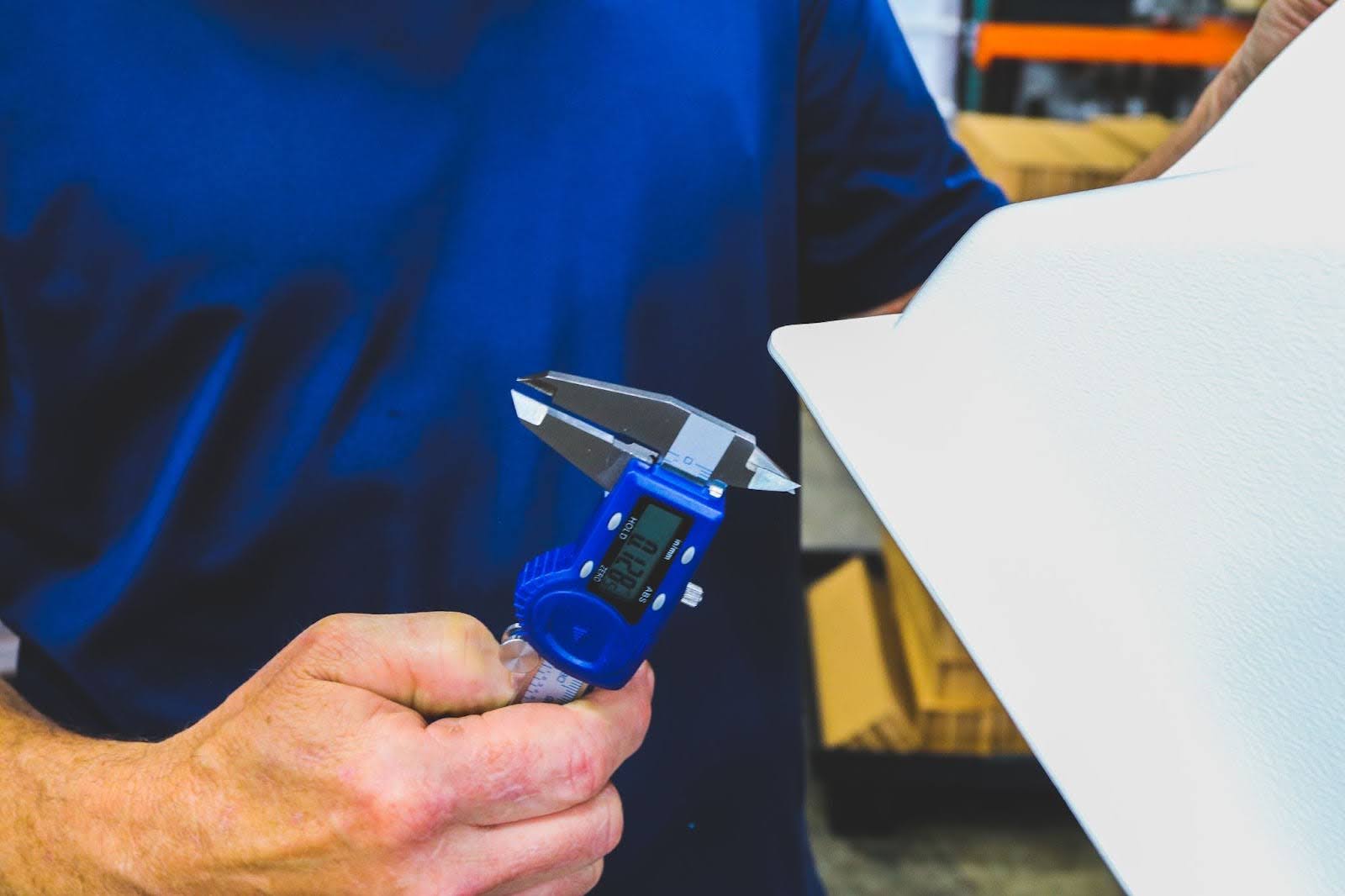
If parts aren’t thoroughly inspected throughout the run, defects may not be discovered until the final stages of the project when, to be frank, it’s too late to make corrections. It’s relatively common for a machine to require multiple adjustments within a single cycle before parts are deemed ready for a pass/fail test.
To meet — and ideally surpass — customer expectations, each object should undergo careful inspection. Many manufacturers rely on specialized tools, such as micrometers capable of measuring material thickness down to 0.0001 inches.
Implementing a robust quality control system that encompasses dimensional checks, visual assessments, and performance testing is imperative to reinforcing the output’s sustainability.
Takeaways for Thermoforming Excellence
Mastering the art of thermoforming goes beyond following a set of instructions; it takes an understanding of the relationships among material properties, design specifications, processing parameters, and operational assurance protocols.
The nuances of this practice call for not only technical expertise but also a commitment to continuous improvement and adaptability.
Entrepreneurs and manufacturing companies who embrace proven best practices and avoid the common mistakes highlighted in this blog will be well on their way to building a strong reputation for quality and reliability.