

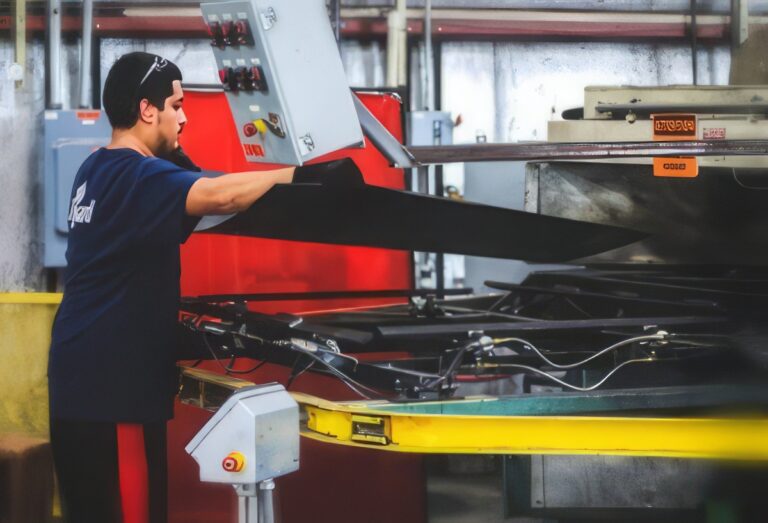
Whether you’re sipping a beverage from a plastic cup, opening a clamshell package, or sitting in a car with plastic paneling, you’ve likely encountered products made through the process of thermoforming.
From food packaging to automotive parts, the applications for manufacturing thermoplastic three-dimensional objects are vast. The efficiency and versatility of this method largely depends on the type of material used.
In this piece, we’ll explore the different types of plastics used in thermoforming, along with their unique properties.
Polyethylene (PE)

Polyethylene, with its diverse grades – from low-density (LDPE) to high-density (HDPE), provides a wide spectrum of physical characteristics. This versatility is invaluable in thermoforming.
Depending on the desired product – whether it’s sturdy railroad containers or flexible packaging – there is a polyethylene variant suitable for the rigorous demands of many industries.
Many of GPI’s components and products, such as the airline tubs we provide to major carriers, are constructed from LDPE because it can withstand substantial wear and tear. This choice of material not only ensures low maintenance, but it is also lightweight and easy to transport.
Polyethylene Terephthalate (PET)

The eco-friendliness, efficiency, and adaptability of polyethylene terephthalate (PET) position it as a preferred plastic in many industries.
PET’s chemical resistance and excellent barrier properties make it a favorite for packaging, especially since it has FDA approval for food contact.
With minor modifications, the resistance of PET to UV radiation can be enhanced and used to produce items requiring protection from sunlight, such as sunglass lenses, greenhouse panels, and automotive headlight covers.
Another significant aspect of PET is that it ranks among the most recycled plastics in the world and can be easily cleaned, broken down into fine flakes, and reprocessed through a straightforward method.
Polystyrene (PS)
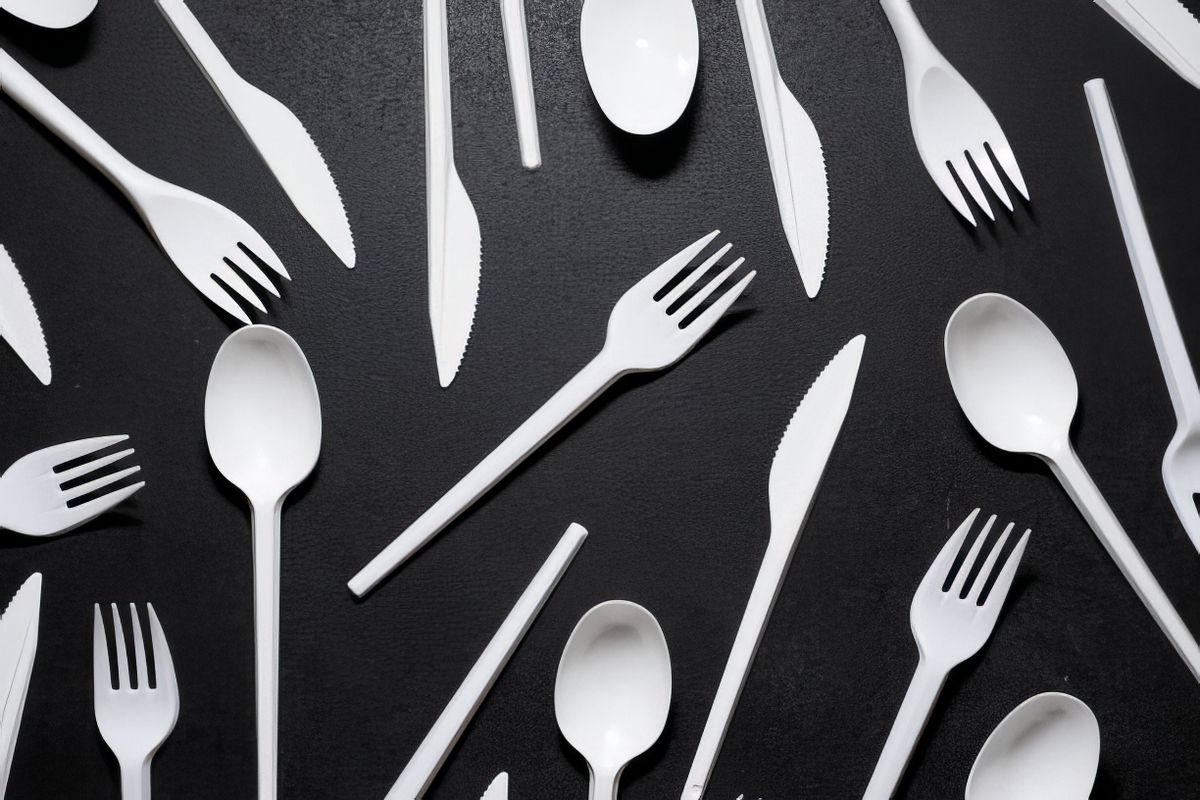
Polystyrene comes in two forms: rigid and foamed. General-purpose polystyrene is clear, hard, and brittle. In contrast, foamed polystyrene, known by its brand name, Styrofoam™, is lightweight and insulating.
One of the advantages of thermoforming polystyrene is its low melting point. This property allows the material to soften gradually so it can be easily shaped.
Due to its cost-effectiveness, polystyrene is regularly used in single-use items such as cosmetic packaging and disposable cutlery. In its expanded form, polystyrene proves particularly useful for temperature-controlled packaging.
However, its environmental impact is a cause for concern since it can persist in the environment for hundreds of years. Fortunately, there are ongoing initiatives aimed at mitigating its carbon footprint.
Polyvinyl Chloride (PVC)

With its formulations ranging from rigid to flexible, PVC is a top choice for thermoforming manufacturers due its adaptability.
In its malleable state, polyvinyl chloride is the go-to material for blister packs, display shelves, electrical enclosures, and dental inserts to name a few.
PVC is prominent in medical settings as well. Once properly sterilized, thermoformed PVC components, such as blood bags and IV tubes, can safely come into direct contact with the human body.
Also available in a transparent variant, PVC is well-suited for retail items since it enables consumers to effortlessly see the contents inside the packaging.
Acrylonitrile Butadiene Styrene (ABS)
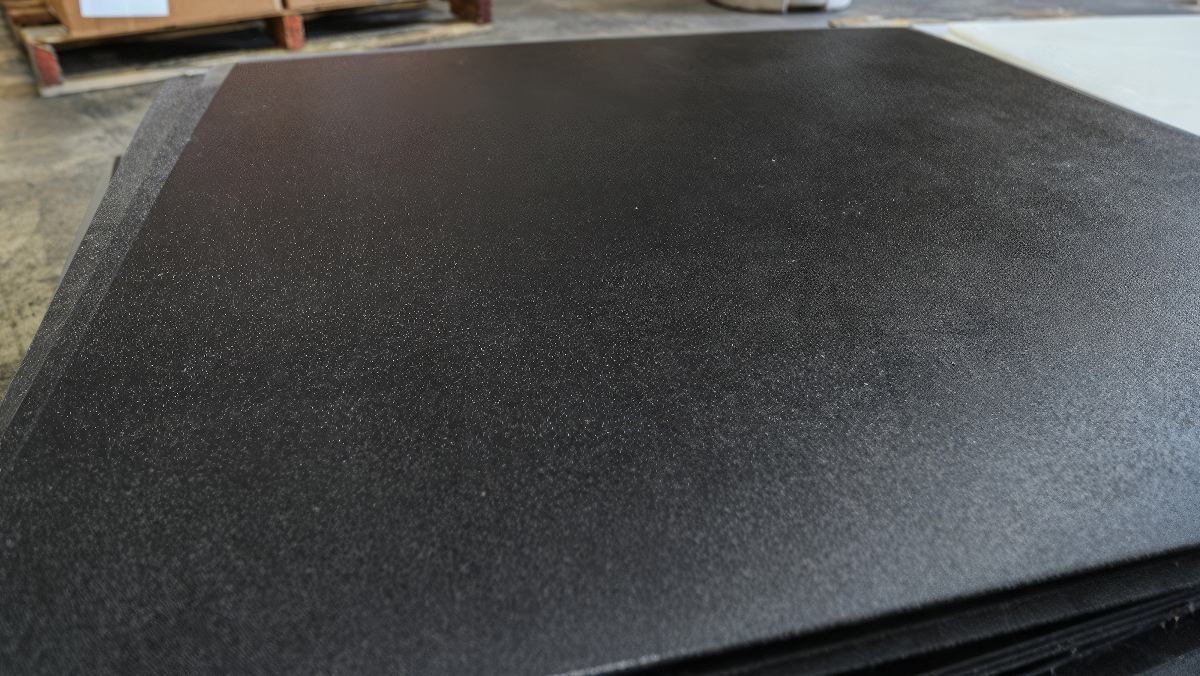
Acrylonitrile Butadiene Styrene (ABS) is often regarded as a “jack of all trades” due to its stability, durability, and heat resistance.
Design flexibility is paramount in manufacturing, and ABS doesn’t disappoint. It can be intricately molded into complex shapes, capturing even the finest details.
Another standout feature of ABS is its impressive resistance to chemicals, UV radiation, and moisture. As a result, parts made from ABS retain their structure and aesthetics over extended periods. This resilience makes it a great choice for outdoor signage and enclosures.
ABS is also known for performing well in high-temperature environments and providing electrical insulation. Commonly found in automotive and electronics, it is used for dashboards, automobile door trims, laptop protective covers, and tv casings.
While ABS’s versatility and broad range of applications are beneficial, it is typically more expensive than other thermoplastics.
Acrylic
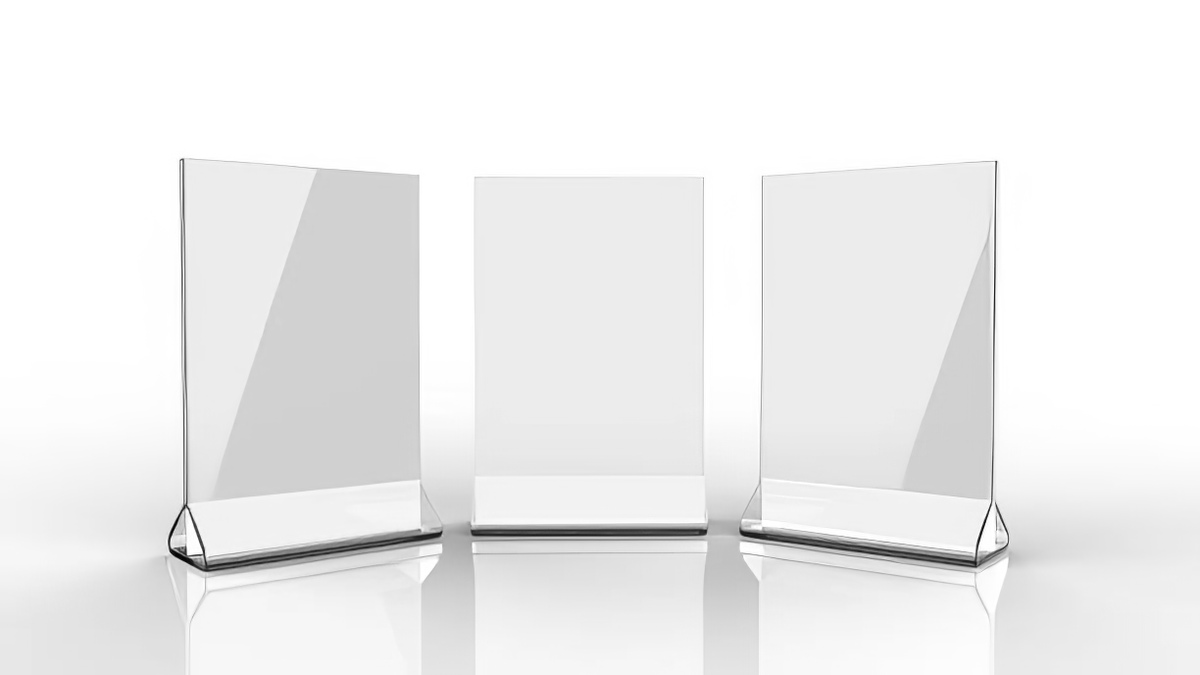
Acrylic is another widely utilized material in thermoforming processes. Offered in a wide array of colors and finishes, acrylic gives manufacturers the flexibility to produce components that are not only functional but also aesthetically pleasing.
One of acrylic’s biggest strengths is its ability to maintain a high level of optical clarity, making it an ideal choice for applications requiring transparency. For example, it is used in automotive windows, eyewear lenses, and retail display cases where visibility is important.
Acrylic offers numerous advantages over traditional materials like glass, particularly in terms of impact resistance. Its robust structure makes it far less susceptible to shattering upon impact, a feature that is especially important in safety-critical applications.
Another inherent quality of acrylic is its resistance to ultraviolet radiation. Unlike some materials that may yellow or degrade when exposed to prolonged sunlight, acrylic retains its structural integrity. This quality is essential for outdoor applications like skylights and exterior signage.
And That’s a Wrap
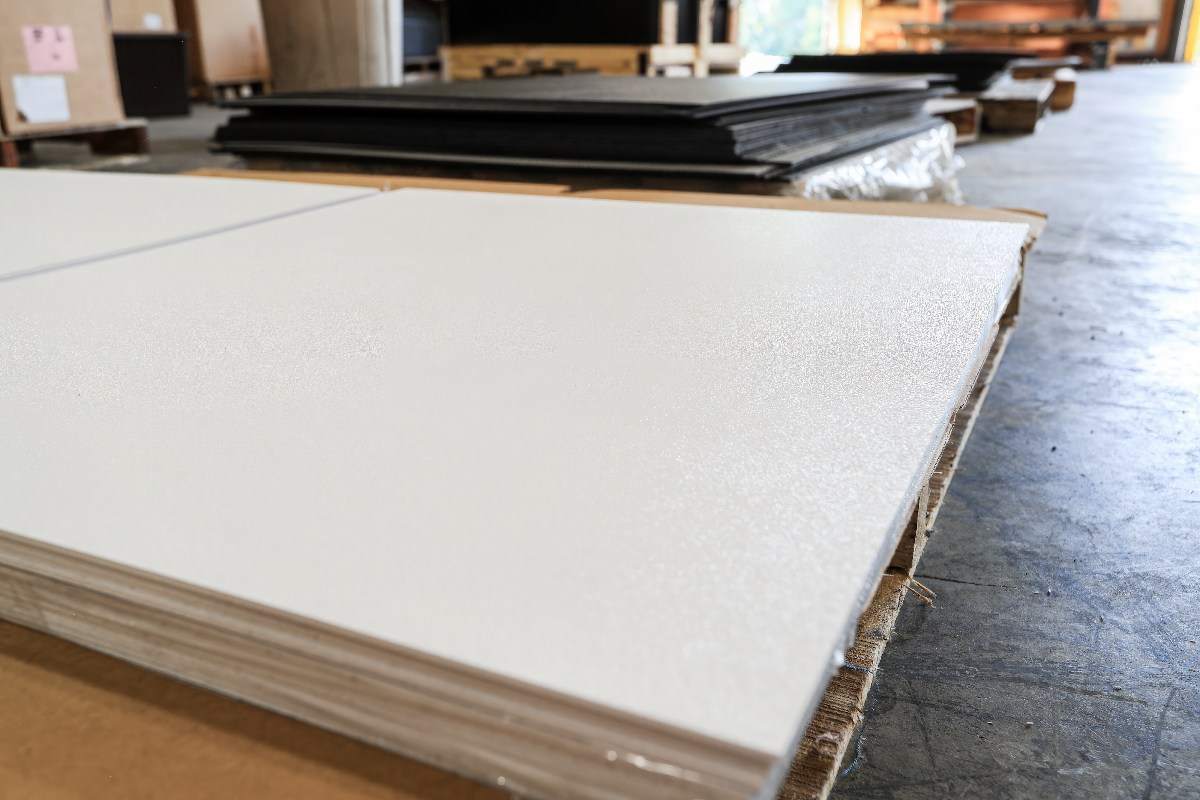
The world of thermoforming plastics is as diverse as it is intriguing. Each of the different types of plastic used in thermoforming offers unique benefits and potential drawbacks, but they all play a critical role in shaping the items we use daily.
And whether it’s the sustainability of polyethylene in airline tubs, the clarity of PET in food packaging, or the durability of ABS in electronics, there’s a fitting plastic material for nearly every application.
As technology advances, needs evolve, and the focus shifts even more towards sustainability, we can expect even more innovation in this field. The future of thermoforming plastics is sure to be exciting.