
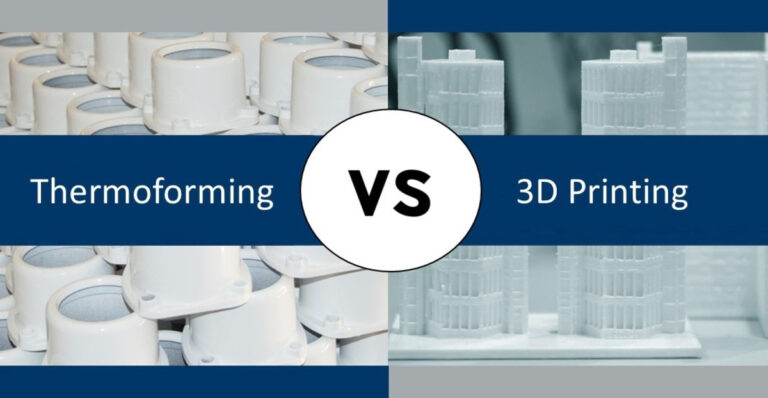
As a thermoforming manufacturer, we’ve been asked how our process stacks up against 3D printing. It’s a great question, and what better way to tackle it than with a blog that dives into the details for a broader audience?
While both methods yield impressive results, they’re fundamentally different, each suited for distinct applications. Still, there are plenty of situations where a direct comparison can be helpful.
Let’s jump right into thermoforming versus 3D printing. We’ll begin with a brief overview of each technique.
The Basics of Thermoforming
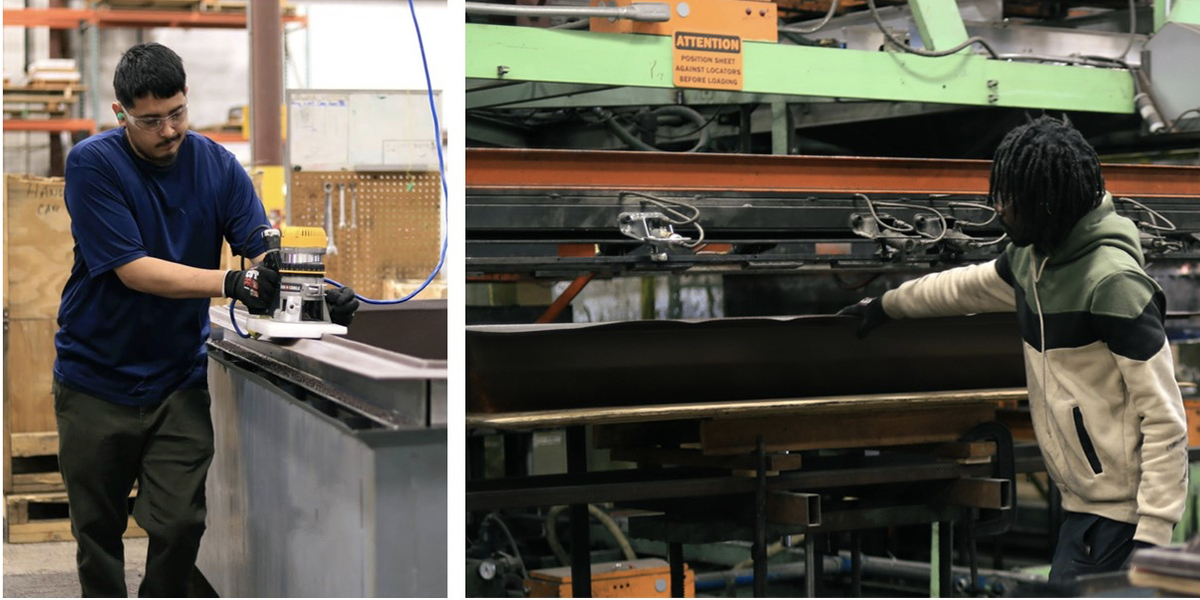
At Greenwood Plastics Industries (GPI), thermoforming is our specialty. This process transforms thermoplastic sheets into three-dimensional objects using controlled heat and pressure. Here’s how it works:
We heat a flat plastic sheet until it’s soft and pliable. Once the material reaches the right temperature, it’s carefully positioned over a mold. Vacuum pressure, mechanical force, or both are then applied to draw the plastic tightly against the mold’s contours.
After cooling and solidifying, the object is trimmed to remove excess material and refine its edges. The result is a lightweight, yet incredibly durable part.
The Essentials of 3D Printing
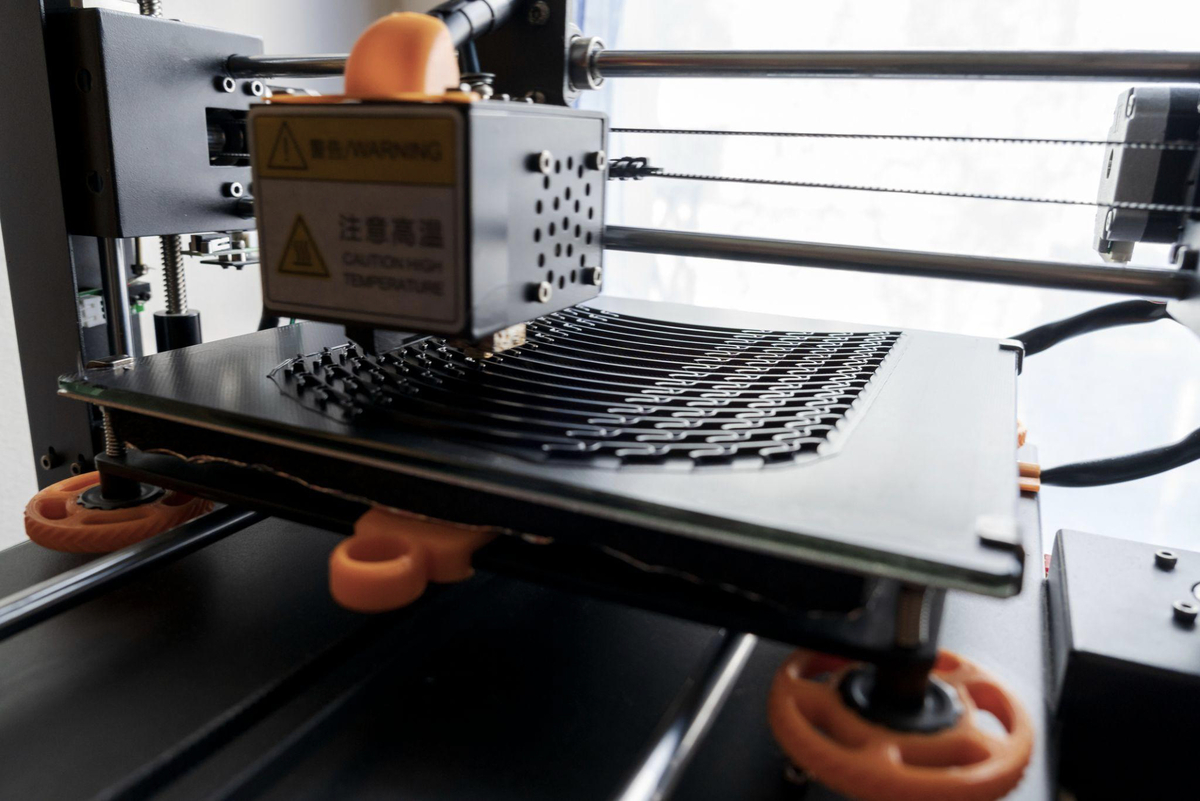
3D printing, or additive manufacturing, starts with a digital design file that defines the object’s shape and dimensions. This file is converted into a printer-readable format, slicing the model into hundreds or thousands of thin, horizontal cross-sections.
The printer then builds the object from the ground up, depositing plastic or resin layer by layer, each bonding to the one below. Post-processing, like sanding or UV curing, is sometimes applied to enhance strength and improve surface quality.
Advantages of Each Process
Thermoforming: Durability and Speed
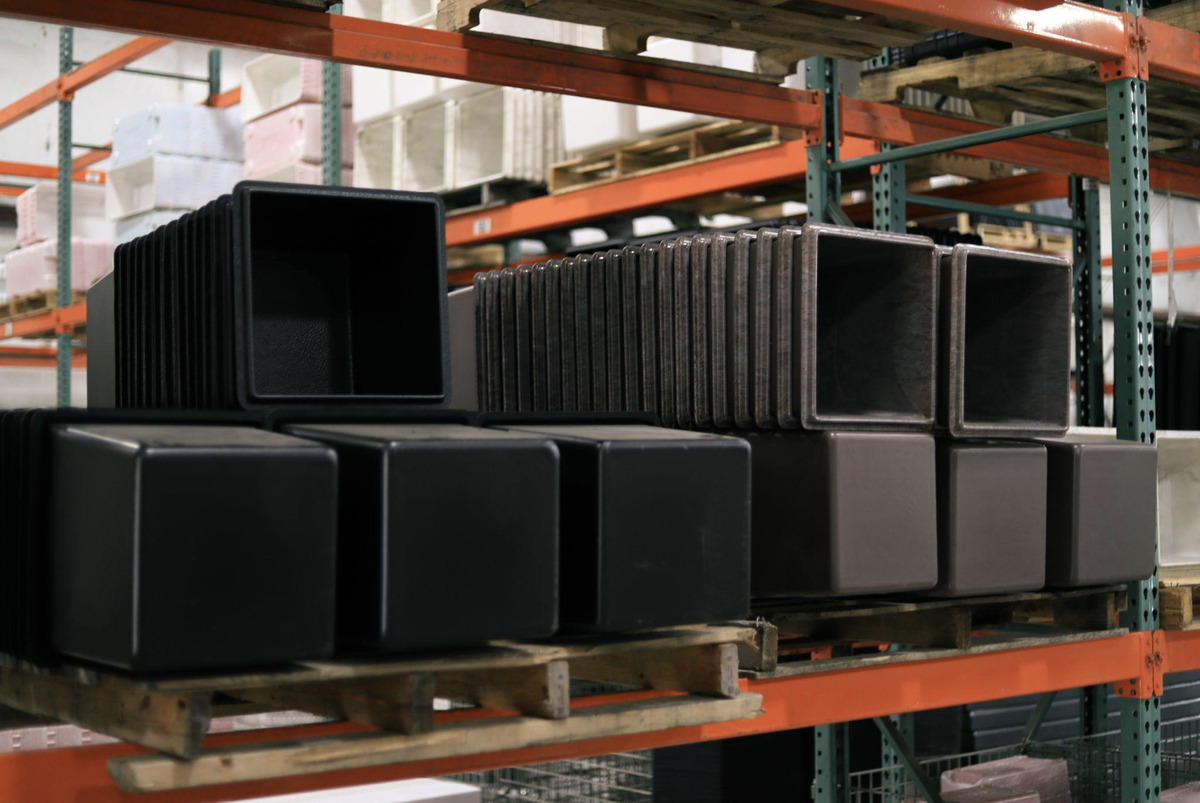
Engineered for efficiency, thermoforming excels at producing large quantities of parts, such as stackable storage containers, space-saving tubs, rugged protective coverings, hard-wearing trays, and more.
Its biggest strength? Affordability at scale. After the initial tooling investment, per-unit costs can plummet to mere cents.
Plus, thermoforming offers versatile material options to meet diverse performance needs. For manufacturers like us, it’s a reliable, time-tested production practice that keeps our valued clients coming back.
3D Printing: Customization and Complexity
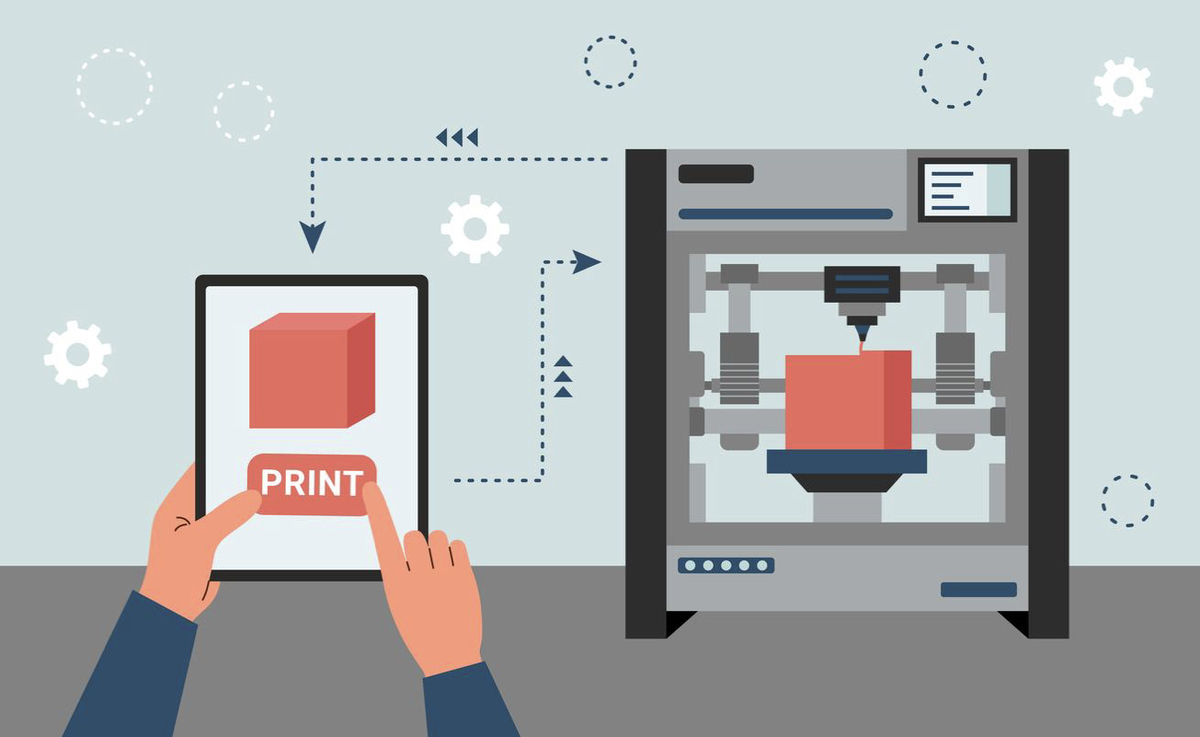
3D printing’s greatest asset is its unparalleled design flexibility. It can create intricate geometries, internal features, and sophisticated items that are challenging to achieve with other methods.
It’s perfect for one-off prototypes, parts needing frequent refinements, or low-volume specialty items. With no tooling required, lead times are short, and design changes are relatively easy to implement.
3D printing has become a game-changer in the medical field, as it’s used to produce custom prosthetics, dental implants, surgical guides, and patient-specific anatomical models for pre-surgical planning.
Where Each Has Limits
Thermoforming is optimized for fabricating basic to mid-range complexity shapes with sharp definition and smooth finishes. However, it struggles with internal contours or undercuts.
Meanwhile, 3D printing handles intricate objects with ease but has its notable drawbacks.
High-end printers can cost hundreds of thousands of dollars, and premium resins are pricey. Additionally, printing a single part can take hours to days—or even weeks for intricate designs—making large runs slow and costly.
GPI’s primary area of expertise is thermoforming, but we’re also excited about 3D printing’s potential. In fact, we’re actively exploring how it can complement our operations in new and innovative ways.
Shared Ground
Despite their differences, thermoforming and 3D printing have more in common than you might initially think. Both transform plastic into functional, three-dimensional parts used in industries like automotive, medical, aerospace, and consumer goods.
They have widespread accessibility, from small, independent workshops to large manufacturers and use similar materials, like PVC, ABS, PETG, and polycarbonate. As technology evolves, the possibilities for both will only continue to expand.
Finding the Right Fit

In manufacturing, the best solutions often come from using multiple tools together. Thermoforming and 3D printing don’t have to compete—they can complement each other in powerful ways. Here are three examples:
Early-Stage Product Development
When a team is designing a new product and uncertain whether they’ll need five or 5,000 parts, 3D printing offers on demand prototyping and quick iterations. Once the design is finalized, thermoforming becomes ideal for scaling up production.
Testing the Waters
For products with unproven market interest, 3D printing is well-suited for initial samples and limited trial runs. If the product gains traction, thermoforming can take over to deliver high-volume production without sacrificing speed or quality.
Projects with Evolving Requirements
When part specifications are still in flux, 3D printing allows for fast updates without investing in upfront tooling or committing to full-scale production. Once feedback is gathered and the configuration is dialed in, transitioning to thermoforming becomes a seamless next step.
The Best Process for the Job

In the end, what’s important to understand is that neither process is inherently superior—it depends on your project’s specific goals, volume, and part characteristics.
For large-batch production with straightforward designs, thermoforming offers unmatched speed, consistency, and value. For rapid prototypes, small-batch custom parts, or multi-dimensional geometries, 3D printing may be the way to go.
The bottom line? Both techniques deliver truly exceptional results. Selecting the most appropriate one at the optimal time is the key to success. Contact GPI today and find out if thermoforming can support your manufacturing objectives.