
Storage tubs, industrial trays, food packaging, and protective casings—these tried-and-true applications are what most people think of when they hear “thermoforming.”
They’re highly practical, essential, and familiar to anyone with even a passing knowledge of the process, representing the everyday and utilitarian side of this versatile manufacturing technique.
What may come as a surprise, however, is that thermoforming has also powered an impressive range of legendary three-dimensional designs in entertainment, pop culture, technology, and beyond.
So, let’s pull back the curtain and look at a few standout examples—past and present—that deserve a spot in what we like to call the Thermoforming Hall of Fame.
Retro Arcade Machine Panels: Giving Games Their Look
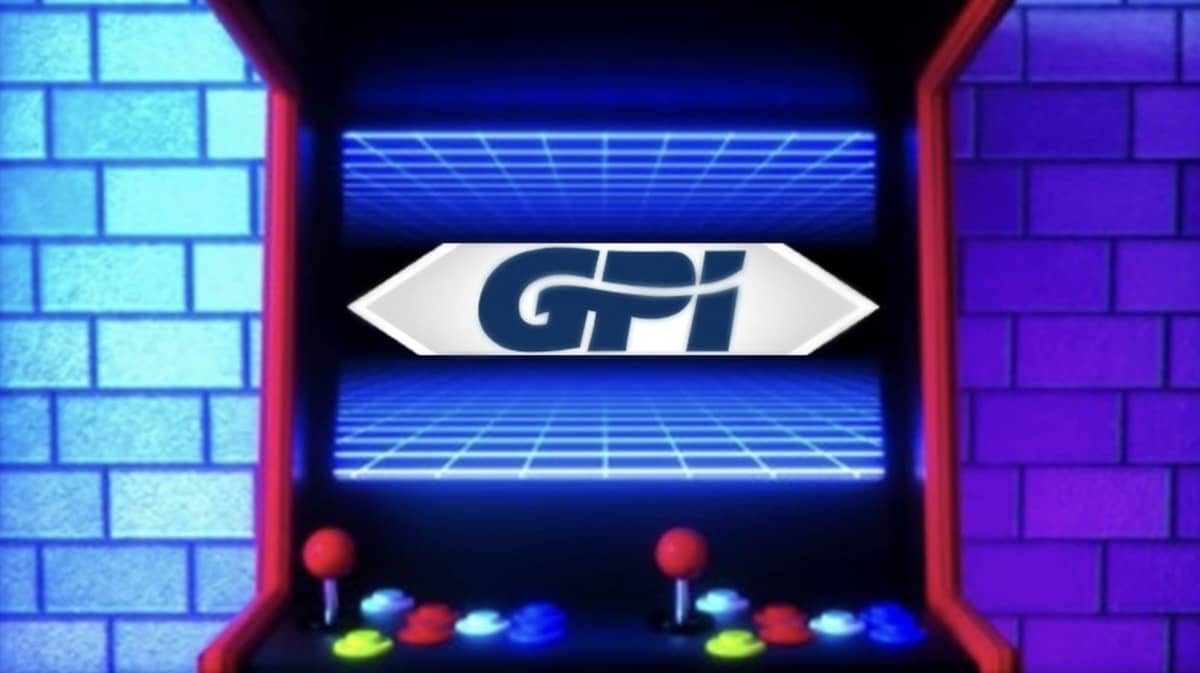
The 1980s arcade boom didn’t just introduce us to timeless favorites like Pac-Man, Tetris, and Space Invaders—it also showcased thermoforming at its finest.
That’s right, many of the curved bezels that framed glowing screens, the colorful control panels crowded with buttons and joysticks, and the distinctive cabinets were all made using vacuum forming.
The process was perfectly suited for producing long-lasting, repeatable parts that could house electronics while keeping production costs reasonable.
Today, collectors treasure these machines not just for the nostalgia they inspire but also for their signature aesthetics—an appearance made possible by thermoforming.
Star Wars Helmets: Cinema Meets Manufacturing

Some of the greatest movie props ever made owe their existence to thermoforming.
Among the most notable examples are the iconic helmets worn by Darth Vader, Stormtroopers, and several other characters in the original Star Wars movies.
Filmmakers turned to vacuum forming because it offered exactly what they needed: an efficient, reliable way to make multiple helmets that were lightweight for long days on set, uniform to look identical on screen, and comfortable for actors to wear for hours on end.
With countless battle sequences, explosions, and galaxy-spanning sets, durability was crucial—and thermoforming didn’t disappoint.
Roller Coaster Ride Parts: Engineered for Fun

Roller coasters are built on the power of immersion, where every heart-racing curve, exhilarating drop, spine-tingling sound, and visual detail work together to captivate thrill-seeking park-goers.
Achieving this effect demands materials that are not only rugged enough to withstand daily wear but also lightweight enough to keep the ride structurally sound and safe.
That’s where thermoforming comes in. From sleek ride vehicle shells to vibrant decorative panels and glossy animatronic coverings, thermoforming enables the bold, sweeping designs that transform ordinary rides into unforgettable adventures.
The process delivers consistent, high-quality results at scale, blending artistry with engineering to earn a permanent place in the amusement industry.
Without thermoforming, the theme park magic we’ve come to expect simply wouldn’t look—or feel—the same.
Barbie Products: Shaping a Trendsetter

When it comes to toys, few names shine as brightly as Barbie.
For decades, the core components of her expansive Dreamhouses and imaginative playsets have leaned on thermoforming to bring Barbie’s larger-than-life world to children everywhere.
Even her packaging relies on thermoforming—clear blister packs and precisely molded plastic inserts protect the products during transport while also attractively displaying them on store shelves.
Designed as an extension of the Barbie experience, the packaging is colorful, sturdy enough to withstand eager hands, and crafted to highlight every accessory and fashionable detail.
Thermoforming also keeps these creations moving swiftly from concept to retail, helping Barbie remain in step with ever-changing trends.
Race-Inspired Cars: Precision in Motion
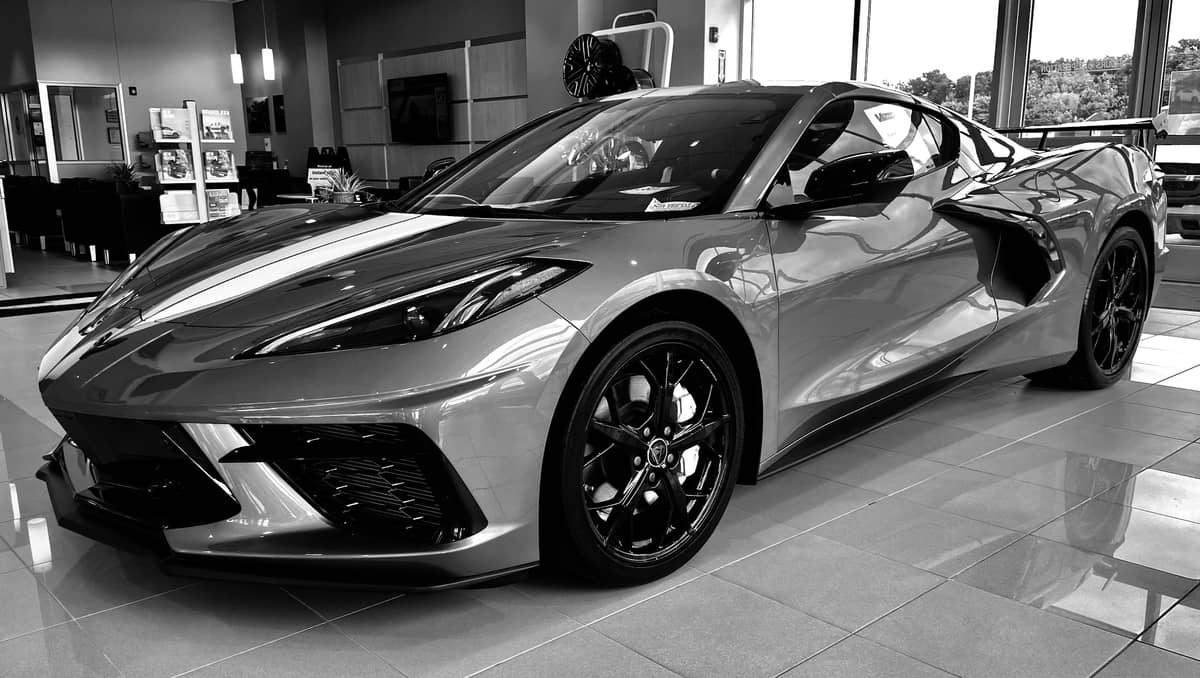
Thermoforming has also found its way into the world of high-performance sports cars.
Automakers like Ferrari, Lamborghini, and Corvette rely on the technique to make hard-wearing parts that combine raw strength with head-turning design.
Aerodynamic body panels, stylish interior trim pieces, and ergonomic dashboards are all prime examples of thermoforming’s precision and design flexibility.
Even certain under-the-hood components such as protective covers and ducting are thermoformed, ensuring each piece contributes to the car’s luxurious look and world-class performance.
By enabling parts that are both attention-grabbing and engineered for speed, thermoforming is instrumental in shaping the unmistakable presence and reputation of today’s flashiest speed machines.
Looking Ahead
As you can see, thermoforming has left its mark in some truly unexpected places, moving far beyond the realm of mainstream purposes.
It has shaped culture, defined industries, and delivered experiences that resonate with so many of us today.
And as industries continue to innovate, thermoforming is sure to emerge in even more intriguing and influential places in the spotlight.
Do you have an idea for a new concept that could land a place in the Thermoforming Hall of Fame? We’d love to hear it—reach out to us today!