
The global thermoform packaging market was valued at $52.2 billion in 2023, and it’s only gaining momentum.
The surge in e-commerce, particularly in electronics, has driven demand for protective packaging solutions to keep items intact during transit. But it’s not solely online shopping fueling this growth. Industries like food and beverage, pharmaceuticals, and automotive manufacturing are also seeking durable, lightweight, and cost-effective ways to safeguard shipments.
For thermoforming manufacturers, this expanding market presents both opportunity and challenges. In an industry where even a few cents per component can make or break a contract, staying ahead means more than offering standard solutions. It requires smarter designs, strategic material sourcing, and streamlined production processes, all while keeping costs in check.
Protecting Shipments in a Post-Pandemic World
Since the COVID-19 pandemic, freight carriers have tightened their damage claim policies, making it increasingly difficult for businesses to recoup losses from broken or compromised goods. This shift has made protection more critical than ever, prompting many companies to rethink their packaging strategies.
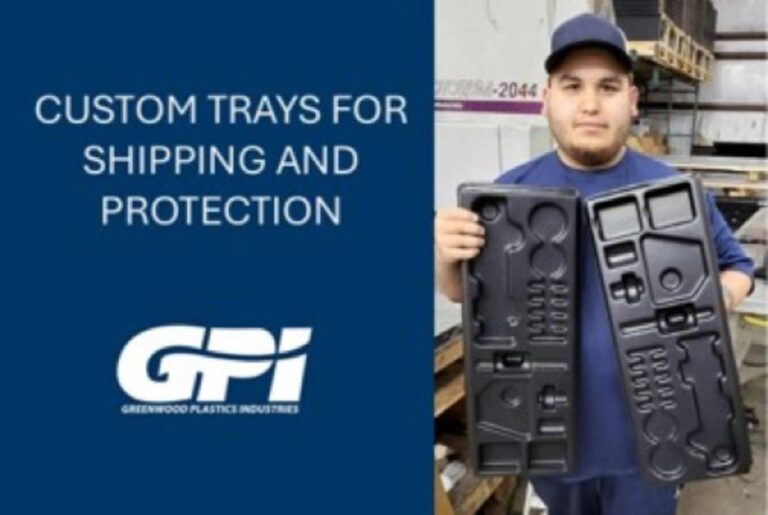
Thermoformed packaging is emerging as a go-to solution that provides a reliable shield against rough handling, sudden impacts, and unpredictable shipping conditions. Unlike traditional foam or cardboard, custom-molded plastic inserts and form-fitting enclosures cradle products and parts, minimizing movement and absorbing shocks during transit.
Thermoplastic trays, for instance, are now widely used in electronics and medical device shipping to keep items securely in place and reduce the risk of damage during transit. Plastic tier sheets also play a crucial role in stabilizing stacked boxes, crates, and corrugated bins, preventing unwanted shifting of their contents. Some manufacturers are even integrating anti-static properties into their materials to protect sensitive components from hazardous electrostatic discharge.
For businesses, adopting these practices isn’t just about damage prevention; it’s about efficiency. By minimizing product loss and eliminating the need for excessive packaging materials, companies can sidestep costly delays, cut down on time spent handling claims, and keep their logistics running smoothly.
Sustainability in Shipping: A New Industry Standard

In recent years, the shipping industry has undergone significant changes, with sustainability becoming a top priority.
As businesses push for greener solutions and environmental regulations become stricter, freight companies are moving away from traditional single-use plastics and bulky packaging in favor of recyclable, biodegradable, and reusable materials. This shift has led top thermoformers like Greenwood Plastics Industries (GPI) to expand their use of High-Density Polyethylene (HDPE) thanks to its impressive sustainability and reusability credentials.
Unlike conventional plastics, which often pose challenges like contamination risks, limited recycling infrastructure, or degradation issues, HDPE stands out as one of the most environmentally responsible choices. It’s tough, easy to recycle, and can be reprocessed multiple times without losing performance. In fact, if HDPE isn’t reused in its original form it often gets a second (or even third) life as fabrics, carpets, or plastic bottles.
By incorporating HDPE and thermoformed shipping elements into their supply chains, companies are reaffirming their commitment to a closed-loop ecosystem.
Smarter Design for Cost-Conscious Shipping

As thermoplastics become more prevalent in shipping applications, freight companies along with their customers are continuously searching for ways to lower costs—especially as their usage continues to grow.
To meet this demand, some thermoforming manufacturers are offering in-house engineering services that simplify the design process and eliminate expensive upfront investments. For example, with nothing more than a rough sketch and basic measurements, GPI can transform an initial concept drawing into a fully functional packaging solution for little to no extra charge.
This strategic approach removes the need for third-party design firms so that businesses can refine shipping operations without the hassle of lengthy prototyping cycles.
Another cost-cutting measure involves lightweighting, a technique where packaging structures are refined to use less material while maintaining their integrity. By doing so, manufacturers can decrease production expenses and lower shipping weight, ultimately saving on fuel and transportation expenses.
Customization for Secure Transport: Innovations and Trends

The thermoforming industry is evolving with new innovations aimed at enhancing security, traceability, and efficiency in shipping.
One exciting development is the rise of bio-based and recyclable plastics. These materials offer similar strength and protective qualities as traditional plastics but with a significantly smaller environmental footprint.
Smart packaging is also making waves, with RFID tags and QR codes being integrated into packaging and shipping containers. Technologies such as these are enhancing supply chain visibility so that companies can track shipments in real-time and monitor conditions like temperature and humidity.
Improvements in 3D design software are also making an impact, enabling manufacturers to fine-tune packaging dimensions. These tools are not only cutting down on waste but are also allowing for the creation of features such as interlocking trays, collapsible designs, and ergonomic grips.
Final Takeaways
Thermoformed packaging offers more than just protection, delivering confidence in today’s fast-moving, cost-conscious, and sustainability-focused world.
By leveraging the lightweight, durable, and customizable nature of thermoplastics, businesses can optimize their shipping processes, reduce expenditures, and meet environmental standards.
As advancements in material science, design, and digital tracking continue to reshape the industry, thermoforming manufacturers that stay informed and adaptable will maintain a competitive edge. At the end of the day, it’s not just about keeping up with trends—it’s about leading the way.