


Thermoforming is a manufacturing method where a thin plastic sheet is heated to a malleable temperature, formed to a predetermined shape in a mold, and trimmed to create a usable part or product.
According to Grand View Research, in 2020 the global thermoformed plastics market size was estimated at $12.38 billion. This dollar figure is expected to steadily increase over the next 10 years.
Thermoforming cost, versatility, and efficiency make it a preferred choice in a wide array of industry applications. Parts that have been thermoformed are strong, durable, and have a high degree of structural integrity.
Given this process’s many advantages and widespread popularity you might be wondering, “How much does thermoforming cost?” This blog aims to answer this question by delving into the factors that impact its cost.
1. Quantity
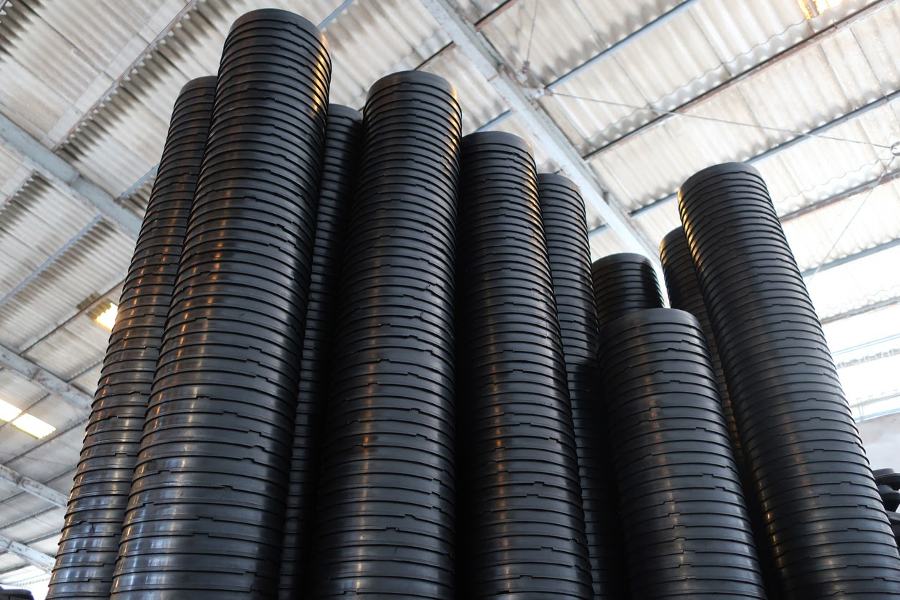
Quantity plays a large role in determining thermoforming cost. High-volume jobs are the most cost-effective because changing over from one mold to another is less expensive on a per-piece basis.
As an example, let’s say that it costs $400 plus the price of a sheet to do a changeover. That amount must be distributed across the total number of parts.
If 50 parts are needed there is a cost of $8 per item in set up labor. If 500 parts are needed, then the cost would decrease to 80¢ cents per item.
Manufacturers must also account for the set-up time to transition from one product to the next. This process can take anywhere from several minutes to several hours and comes at a price because productivity is at a standstill.
2. Material
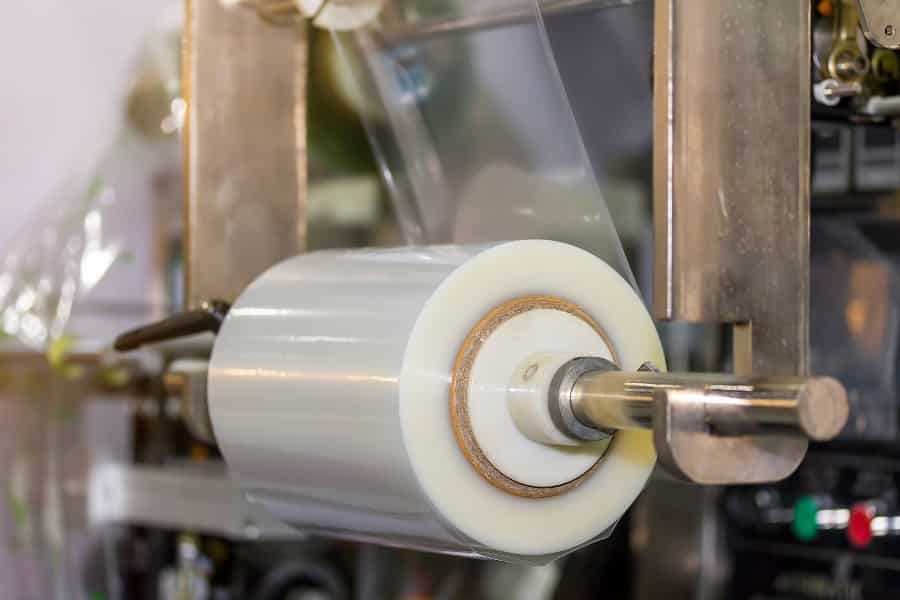
Although thermoforming is overall very cost-effective, the plastic itself is by no means cheap.
Projects should be carefully planned to make sure that no more than the necessary amount of plastic is purchased.
The price of an individual sheet of plastic depends on its size, thickness, and type. Manufacturers pay as little as $2 per sheet to upwards of $200 per sheet depending on the object’s specification requirements.
The investment a manufacturer must make in plastic will also depend on the price of raw materials. When the price of oil and gas fluctuate, suppliers tend to adjust their rates accordingly.
3. Complexity of Product

The complexity of a part’s design impacts the costs that are incurred in the trimming phase.
Hand-routing is the least expensive trimming method and is suitable for basic objects.
For a job that requires complicated or precise cuts, a trim fixture must be used to hold the part in place while it is being routed.
Manufacturers sometimes elect to use a CNC router in addition to a trim fixture. Doing so ensures accuracy but adds cost and time.
4. Tooling
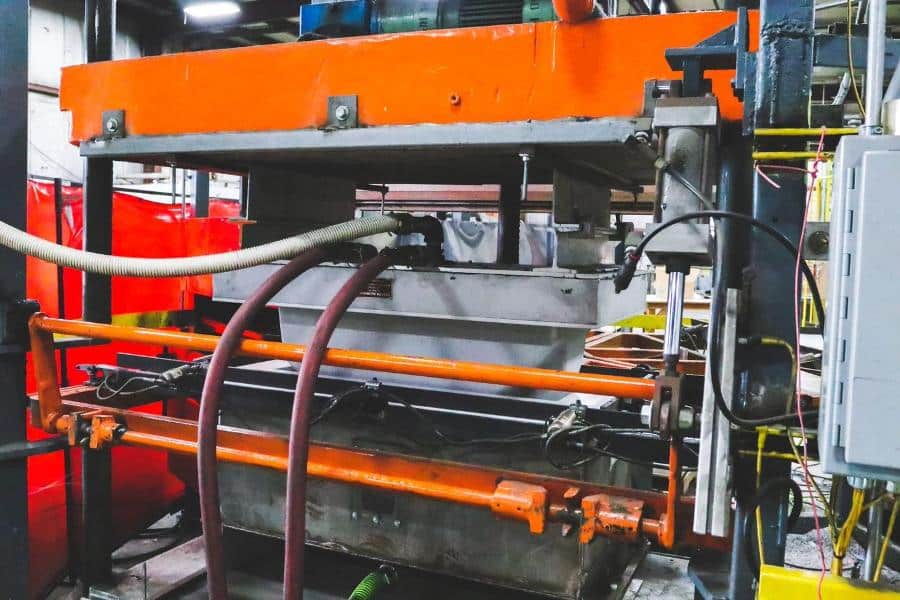
The tooling, or mold, used to form a part can cost anywhere from $2,000 to $30,000 or more. The majority will fall into the $4,000 to $7,000 range.
Wood tools are the most economical but are only ideal for smaller jobs and prototyping.
For larger production items, a wood testing pattern can be used to cast an aluminum water-cooled mold. These molds are pricey, but they are more sustainable over time.
When one thousand parts or less will be produced annually, 3D print tooling is a viable option because it costs about 50% less than using an aluminum water-cooled mold. The flipside is the cycle time doubles which makes the per part price a little higher.
5. Prototyping
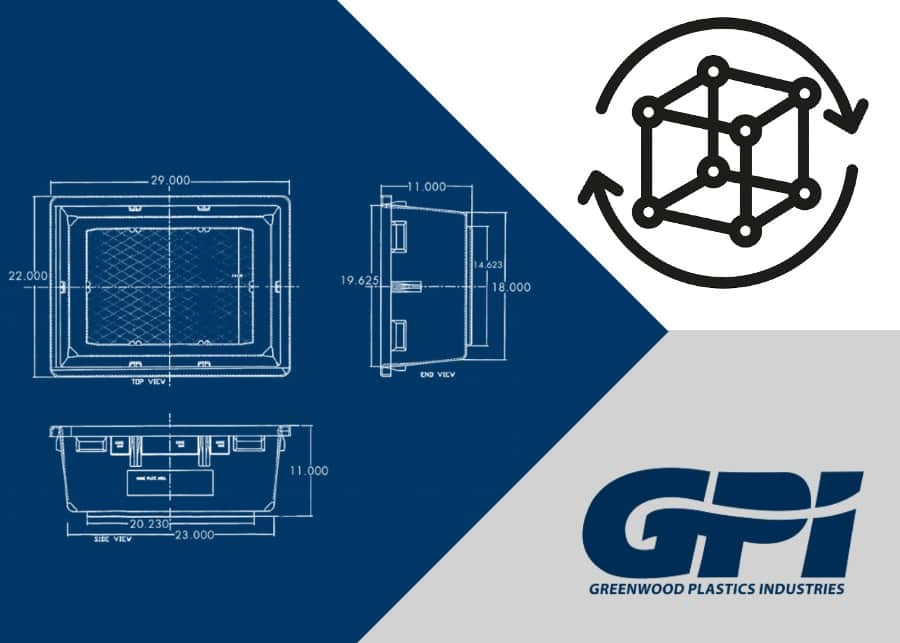
Some manufacturers use prototyping to test full-scale parts for fit, form, and function prior to production.
Prototyping is expensive but it can save money in the long run because it cuts down on waste during the initial stages of production.
In some instances, prototyping will improve quality since there is a larger window of time to make adjustments to the part’s design and specifications.
Experimenting with a representative sample also minimizes risk since tooling and production issues can be identified and corrected in advance.
6. Size

The size of a part must be taken into consideration when planning a job.
Larger parts cost more to produce on a per-piece basis because they require longer cycle times and more materials. Molds needed to manufacture more substantial parts also come with a higher price tag.
This means that manufacturers must budget for additional labor and overhead since fewer parts can be completed per hour.
7. Supply and Demand

The supply and demand of plastics raw materials also affects the price of thermoforming.
When there isn’t enough material available to meet demand, prices are driven up. Insufficient supply can also lead to delays in delivery and production shortages.
When there is an excess of supplies, prices are driven down until equilibrium is reached. Larger manufacturers often take advantage of these times and purchase excess inventory.
We Are Here For You
In a perfect world there would be an exact formula to calculate the cost of every thermoforming job. Although this is not the case, you should now have a good understanding of the components and variables that determine thermoforming cost.
The seasoned professionals at Greenwood Plastics Industries would be happy to put together a detailed quote for your next project.
We look forward to hearing from you! Feel free to give us or call at 217.388.1236 or you can request a quote via our website.